
EXTERNAL REVENUE SERVICE™
Information and analysis on economics, business, political issues, and public policy, including tax reform and tax policy.
From John Gardner, author of Manufacture Local.
The External Revenue Service™ is John Gardner’s analysis service on tariffs, trade, and the income tax. It explains the external revenue system the Founders built, and what replaced it.
History of the Idea
The External Revenue System our Founding Fathers created has been abandoned and the Internal Revenue Service empowered
”Former Trump White House chief strategist Steve Bannon and pro-tariff author John Gardner developed the idea of the “external revenue service,” and then introduced it to one of Trump’s aides, according to a person familiar with the matter.”

For far too long, we have relied on taxing our Great People using
the Internal Revenue Service (IRS). Through soft and pathetically
weak Trade agreements, the American Economy has delivered
growth and prosperity to the World, while taxing ourselves. It is
time for that to change. I am today announcing that I will create the EXTERNAL REVENUE SERVICE to collect our Tariffs, Duties, and all Revenue that come from Foreign sources. We will begin charging
those that make money off of us with Trade, and they will start
paying, FINALLY, their fair share. January 20, 2025, will be the birth date of the External Revenue Service. MAKE AMERICA GREAT
AGAIN!
What Is The External Revenue Service™?
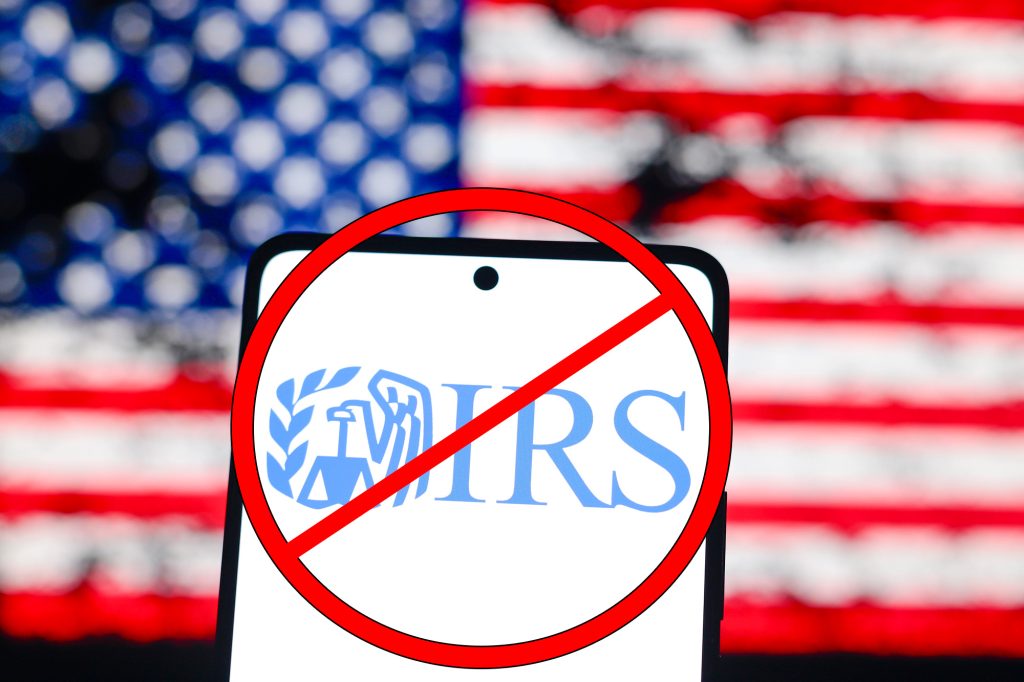
To fund our government, which system gives more freedom to the American citizen? One which takes income from the citizen or one which charges a fee to foreign entities who want access to our market? Which one of these systems encourages a truly more “limited government?”
The Founding Fathers indicated the importance of an External Revenue monetary policy to future Americans when they passed the Tariff Act on July 4th, 1789 which says in part:
Whereas it is necessary for the support of the government, for the discharge of the debts of the United States,
and the encouragement and protection of manufacturers, that duties be laid on goods, wares and merchandises imported . . .
The Founders never intended American citizens to become indentured servants to the government.
We have been taught the freedom to choose tariff-free foreign products—some made with slave labor—is a superior freedom than that of the more individual and true freedom of keeping the income we earn to spend as we see fit.
Wouldn’t Americans have more individual liberty if they had more of their own money to spend on themselves because the government funded itself with External Revenue rather than income tax?
The financial power and individual liberty of the working-class American citizen has been neutered by the IRS, but an external revenue system would restore that power.
Tariffs are a fee that the citizen can avoid when the citizen chooses to buy American and support American businesses. If the citizen chooses to buy foreign, they choose to be taxed. But with income tax, there is no choice. An external revenue system offers a superior freedom to the income tax, providing more choice and more individual liberty for the American citizen within a framework that limits the government’s intrusion into the life of the citizen.
ANALYSIS
The Stranger at the Dock
The Founders had a choice about how to pay for the government. They made it on July 4, 1789. The first major law the new Congress passed was the Tariff Act. It opens with the reason:
"Whereas it is necessary for the support of the government, for the discharge of the debts of the United States, and the encouragement and protection of manufactures, that duties be laid on goods, wares and merchandises imported . . ."
Read that again. Support the government. Pay the debt. Protect the makers. One law did all three, and it did it by charging the foreigner at the dock, not the citizen at home.
That was the system for most of our history. Milton Friedman, no friend of tariffs, said in 1994 that “the United States from 1780 to 1929 is not a bad example of a limited-government libertarianism that lasted for a long time.” What paid for the government in those years? Tariffs. External revenue.
Then it changed. In 1894 Congress passed an income tax. The Supreme Court struck it down the next year. Justice Stephen Field, in his concurring opinion, wrote a warning:
"The present assault upon capital is but the beginning. It will be but the stepping-stone to others, larger and more sweeping, till our political contests will become a war of the poor against the rich,—a war constantly growing in intensity and bitterness."
Field saw it in 1895. The Founders taxed the stranger at the dock. The income tax taxes the neighbor at the kitchen table. The second one sets citizen against citizen. Eighteen years later the 16th Amendment made the income tax permanent, and the fight Field predicted has run ever since.
Here is the difference in plain terms. A tariff is a tax you can avoid. Buy American and you do not pay it. Buy foreign and you chose to. The income tax gives you no choice. You earn the dollar, the government takes its share first, and if you get the paperwork wrong you are the one who answers for it.
Friedman himself said the best way to spend money is spending your own money on yourself, and the worst is government spending someone else’s money on someone else. An external revenue system leaves more of your own money in your own hands. The income tax does the opposite. The free traders have it backwards.
The 18th Amendment took away a liberty, the right to buy a drink. Americans repealed it with the 21st. The 16th took away a bigger one. It can be limited the same way.
America has the largest consumer market in the world. Every nation on earth wants in. The Founders charged them at the door. We stopped charging the stranger and started charging the citizen. The External Revenue Service™ exists to explain how that happened, what it cost, and how the country gets back to the system the Founders wrote on Independence Day.